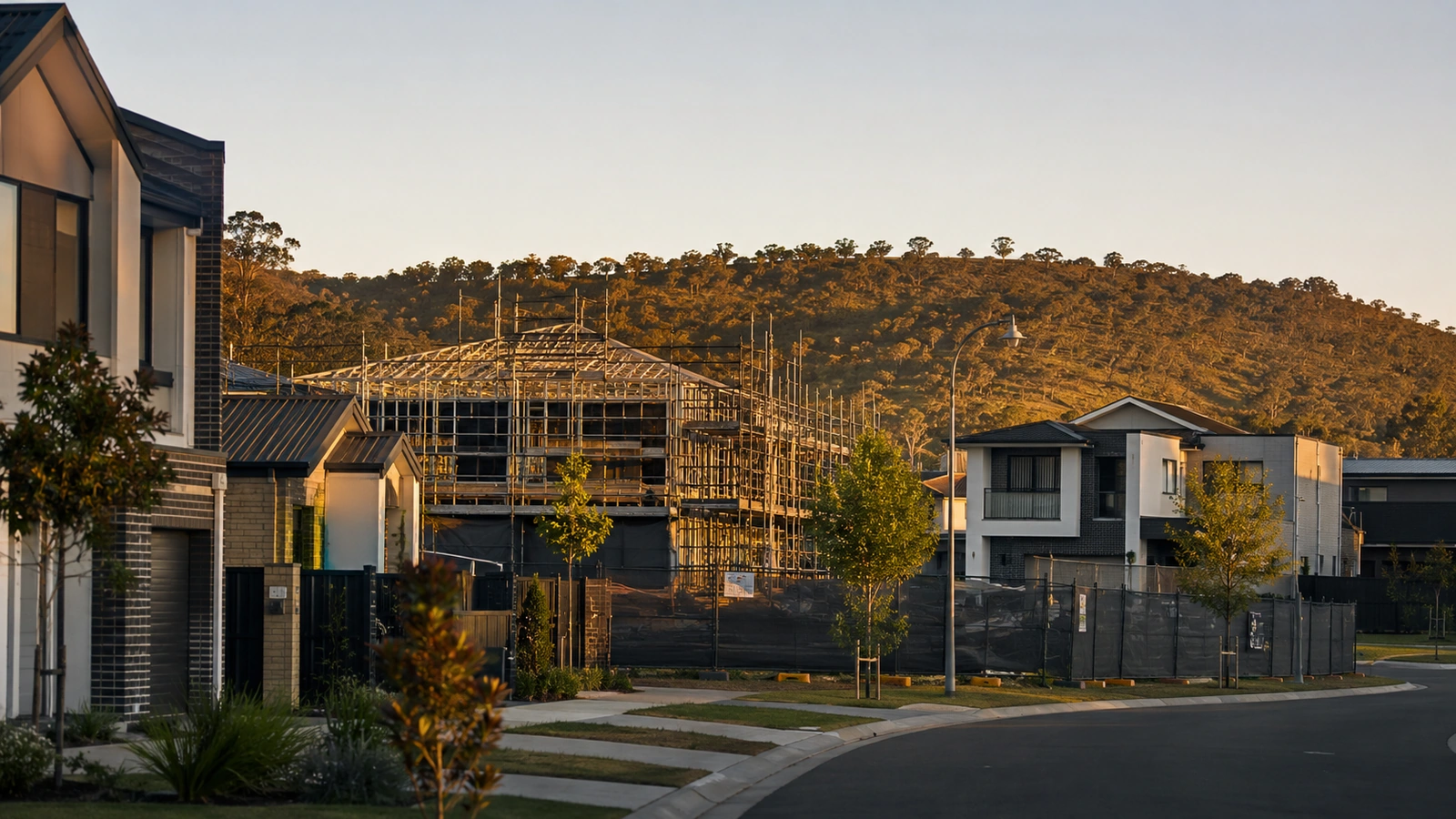
Gentrification in real estate marks a transformative phase, where urban areas or neighborhoods undergo renovation and revitalization, often leading to increased property values and a shift in the community’s character. This process holds significant importance for property investors, as it can signal emerging opportunities, shifts in market dynamics, and potential for considerable returns on investment. Understanding the nuances of gentrification is crucial for making informed decisions in the real estate market. In this article, we will delve into the various stages of suburb gentrification, offering insights and strategies for property investors to navigate these changes effectively. From early indicators to peak development and case studies, we aim to equip investors with the knowledge to identify and capitalize on gentrifying suburbs.
Understanding Gentrification
Definition and Key Features
Gentrification is a complex phenomenon in real estate, involving the transformation of neighborhoods or urban areas, typically leading to higher property values and a shift in demographic composition. This process often starts subtly and gains momentum over time. Key characteristics of a suburb undergoing gentrification include an influx of higher-income residents, renovation of housing and commercial spaces, and changes in the cultural and social landscape of the area.
Economic and Social Impacts
The economic impact of gentrification is most evident in the rising property values and rental rates, making it a potentially lucrative scenario for investors. However, it also poses challenges like displacement of long-term residents and changes in the area's cultural identity. Socially, gentrification can lead to a more diverse community but may also cause friction between new and existing residents. Understanding these impacts is crucial for investors to make socially responsible and economically sound decisions.
The Phases of Suburb Gentrification
Early Indicators
The initial stages of gentrification in a suburb can be subtle yet telling. Early indicators include a gradual increase in property renovations, the arrival of new, often younger residents, and the opening of niche businesses like artisanal coffee shops or boutiques. Identifying these signs can help investors recognize the potential in early-stage suburbs for strategic investments.
Mid-Stage Transformations
As gentrification progresses, notable developments become more evident. This phase often sees significant public infrastructure improvements, such as better transportation links and enhanced public spaces. Commercial investments also rise, with more businesses moving in, further elevating the area's appeal. These changes can accelerate property value appreciation.
The Peak of Gentrification
At its peak, a gentrifying suburb exhibits marked changes in its demographic, lifestyle, and property values. Housing costs may reach their zenith, attracting a more affluent population. For investors, this phase offers opportunities for maximizing returns, but also requires careful consideration of market saturation and potential shifts in housing demand.
Investment Strategies for Gentrifying Suburbs
Timing Your Investment
Effective timing is crucial in property investment, especially in gentrifying suburbs. Entering the market at the right moment can significantly enhance returns, while exiting at the peak can maximize profits. Investors should weigh the benefits of short-term versus long-term investments, considering factors like market trends, area development plans, and their personal investment goals.
Risk Management
Understanding and mitigating the risks associated with gentrification is key. This includes being aware of the potential for market fluctuations and community pushback against changes. Diversification strategies in property investment, such as investing in a mix of property types and locations, can help manage these risks and stabilize the investment portfolio.
Conclusion
To conclude, this article has traversed the multifaceted landscape of suburb gentrification, offering valuable insights and practical strategies for property investors. We revisited the critical stages of gentrification, assessed the economic and social impacts, and explored various investment approaches.
Final Thoughts and Advice for Property Investors
The key takeaway is the importance of strategic timing, risk management, and staying attuned to evolving market trends. Investors should remain adaptable and informed to make the most of emerging opportunities in gentrifying suburbs.
For those seeking to leverage these insights in the dynamic property market, AbodeFinder offers specialized tools like SuburbFinder, Buying Chance Calculator, and Suburb Insight. These tools are designed to empower investors with comprehensive data and analysis, aiding in making well-informed decisions. Stay ahead in your investment journey by utilizing these resources.
This article serves as a comprehensive guide for those interested in gentrification and its implications in property investment. It underscores the importance of staying informed and considering professional guidance, especially in leveraging tools like those offered by AbodeFinder to enhance your investment strategies.