Global trade tensions and China’s economic slowdown are starting to reshape Queensland’s property outlook. While some regional areas have surged in recent years, their dependence on mining exports now puts them at risk. Meanwhile, Brisbane’s broader economic base may help it hold ground.
This article breaks down how different parts of Queensland could be affected, where risks are building, and where investors might still find opportunity.
What’s Happening in Queensland Right Now
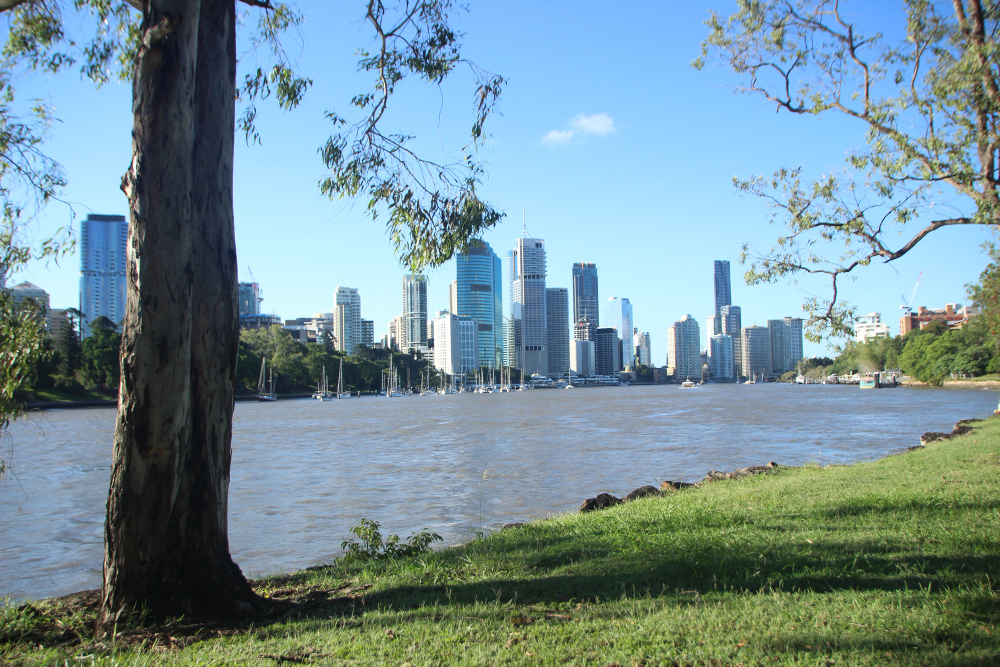
Brisbane is showing signs of resilience as the broader economic picture shifts. Property prices in the capital are growing at around 9% annually, while rental yields continue to rise. Homes are spending less time on the market, suggesting solid buyer demand. Brisbane’s strength comes from its diversified economy, population growth, and ongoing infrastructure investment. These factors help insulate the city from the volatility affecting more resource-reliant regions.
In contrast, regional Queensland may have already peaked. Townsville, Rockhampton, and other mining-centred towns have seen property prices climb by 50 to 80% in recent years. While this has created significant short-term gains for investors, many of these local economies are heavily dependent on exports to China—particularly coal and LNG. As China slows down and shifts its economic model toward internal consumption, demand for Queensland’s exports could weaken. That puts pressure on royalties, local income, and, eventually, property values in those areas.
Why China Matters to Queensland Property
Queensland’s economic ties to China run deep, especially in regions built around resource exports. Coal, liquefied natural gas (LNG), beef, and lamb make up a large share of the state’s export income. Mining alone accounts for 23% of Queensland’s total economic output, and many towns in the north depend heavily on this sector. These areas have performed well in recent years, but they are highly sensitive to shifts in overseas demand—particularly from China.
If China begins to pull back on coal and gas imports, the impact could be felt quickly. Even if countries like India or Bangladesh increase their demand, they may not be willing to pay the same price. That would put pressure on royalties flowing back into the Queensland economy. A drop in export income often leads to slower job creation and less local spending—two factors that can weaken property prices in towns that rely on those industries.
Brisbane Is Different
Unlike many parts of regional Queensland, Brisbane’s economy is not heavily tied to the mining sector. Instead, it’s supported by a mix of construction, healthcare, education, and professional services. This diversity gives the city a more stable foundation, even when global markets shift. It’s also one of the top destinations for interstate migration, as more Australians move north in search of affordability, lifestyle, and opportunity.
Falling interest rates are expected to fuel demand in Brisbane’s housing market. Buyers can afford more, and investors are likely to re-enter with stronger borrowing power. On top of that, Brisbane is in the middle of a major infrastructure push—from transport upgrades to Olympic preparations. These projects are generating jobs and lifting the city’s appeal, which helps support future price growth.
Which Areas Carry the Most Risk?
Some regional towns in Queensland face growing uncertainty. Places like Gladstone and Mackay, which are closely linked to coal and other resource exports, may be vulnerable if demand from China drops. These areas often rely heavily on a single industry, which makes them more sensitive to global economic changes.
As the market adjusts, attention could shift away from these mining towns toward more diversified locations. Coastal lifestyle regions and well-connected Brisbane suburbs are likely to attract more buyers and investors. These areas tend to have stronger fundamentals and broader appeal, especially in a lower interest rate environment.
Key Takeaways for Buyers and Investors
Brisbane remains a solid option for long-term property investment. Its diverse economy, supported by population growth and ongoing infrastructure projects, provides a strong foundation for future price stability and growth. In contrast, many regional towns that rely heavily on resource exports to China may begin to feel the effects of slowing demand and lower royalties.
With global conditions shifting and market dynamics changing, this is a good moment for buyers and investors to review their portfolios. Areas that performed strongly in recent years might not hold the same promise moving forward. Reallocating towards suburbs with more balanced economies and consistent demand could be the smarter path from here.
At AbodeFinder, we help buyers and investors make confident decisions with tools and services built around data - not guesswork.
- SuburbFinder – Pinpoint areas where growth potential and demand align.
- Buying Strategy Sessions – Get clear, customised advice based on your goals and budget.
- Property Management – Ongoing support to help your investment perform after you've bought.
If you're looking to stay ahead in a shifting market, we're here to help. Visit abodefinder.com.au or book your free discovery call today.