Unlocking Your Property Investment Potential

Discover Your Dream Home with AbodeFinder

Is Real Estate Investment Still Viable? Exploring the Pros and Cons in 2024

Real estate has long been considered a solid investment, offering the potential for both capital growth and steady income through rentals. However, the viability of property investment can fluctuate based on market dynamics. As we navigate through 2024, investors are closely examining the impact of economic factors such as inflation, interest rates, and housing demand on the real estate market. This article explores the current landscape, weighing the pros and cons to help you determine if real estate investment remains a worthwhile pursuit.


The Pros of Real Estate Investment


Potential for Capital Growth


Long-term appreciation of property values: Real estate often increases in value over time, providing investors with significant capital gains.

Historical trends supporting property value increases: Historical data consistently shows that property values tend to rise, making real estate a reliable investment.


Steady Rental Income


Generating passive income through rentals: Properties can generate a steady stream of income through rent, providing financial stability.

Stability in rental demand: There is a consistent demand for rental properties, ensuring a continuous income flow for investors.


Tax Benefits


Deductions and incentives for property investors: Various tax benefits are available to real estate investors, such as deductions for mortgage interest and property taxes.

Benefits like depreciation and interest deductions: Investors can also benefit from depreciation deductions, which reduce taxable income.


Hedge Against Inflation


Real estate as a tangible asset: Properties are physical assets that hold intrinsic value, making them a safe investment.

Protection against inflationary pressures: Real estate often retains or increases in value during inflationary periods, protecting investors’ purchasing power.


The Cons of Real Estate Investment


Market Volatility


Risks of market fluctuations: Real estate markets can be unpredictable, with property values subject to economic cycles.

Economic factors affecting property values: Factors like interest rates, employment rates, and economic health can impact property values.


Maintenance Costs


Ongoing expenses for property upkeep: Property ownership comes with continuous maintenance expenses.

Unexpected repairs and associated costs: Unforeseen issues can lead to significant repair costs, affecting profitability.


Significant Initial Capital


High entry costs for property investment: Buying property typically requires a large upfront investment.

Challenges of securing financing: Obtaining loans can be difficult and often requires a substantial down payment.


Liquidity Issues


Difficulty in quickly selling properties: Real estate is not easily liquidated, making it harder to access invested capital quickly.

Real estate as a long-term investment: Properties are generally long-term investments, requiring patience and time to realize returns.


Balancing the Pros and Cons


Strategic Planning


Importance of thorough market research: Conducting detailed research helps investors understand market conditions and trends, enabling better decision-making.

Long-term investment strategies: Developing a long-term plan is essential for navigating market fluctuations and achieving sustainable growth.


Diversification


Balancing property investments with other assets: Diversifying investments across different asset classes reduces overall risk and enhances portfolio stability.

Reducing risk through a diversified portfolio: A varied investment portfolio helps mitigate risks associated with any single asset class, including real estate.


Real estate investment offers several pros, including potential for capital growth, steady rental income, tax benefits, and protection against inflation. However, it also comes with cons such as market volatility, maintenance costs, high initial capital requirements, and liquidity issues. Balancing these factors through strategic planning and diversification is key to making informed decisions.


Visit AbodeFinder to explore how these factors can influence your property investment decisions. Stay informed and make the best investment choices for your future. 

related posts

top posts

The 18-Year Property Cycle: Myth, Data, or Outdated Thinking?

Is Australia really headed for a massive crash in 2025?

The 18-Year Property Cycle: Myth, Data, or Outdated Thinking?
How AI Could Disrupt Jobs and Shift the Australian Property Market

Short-term growth, long-term uncertainty: what AI means for property investors

How AI Could Disrupt Jobs and Shift the Australian Property Market
Why Smart Investors Are Turning to Geelong in 2026

Lower prices, higher yields, and massive infrastructure upgrades make Geelong a top pick for strategic investors in 2026.

Why Smart Investors Are Turning to Geelong in 2026
Do Australian House Prices Really Double Every 10 Years?

The Truth Behind Property Growth Cycles and What Investors Should Know

Do Australian House Prices Really Double Every 10 Years?
Maximising Equity for Property Investment in Australia: Your Complete Guide

Unlocking Your Property's Potential to Grow Your Investment Portfolio

Maximising Equity for Property Investment in Australia: Your Complete Guide

most recent

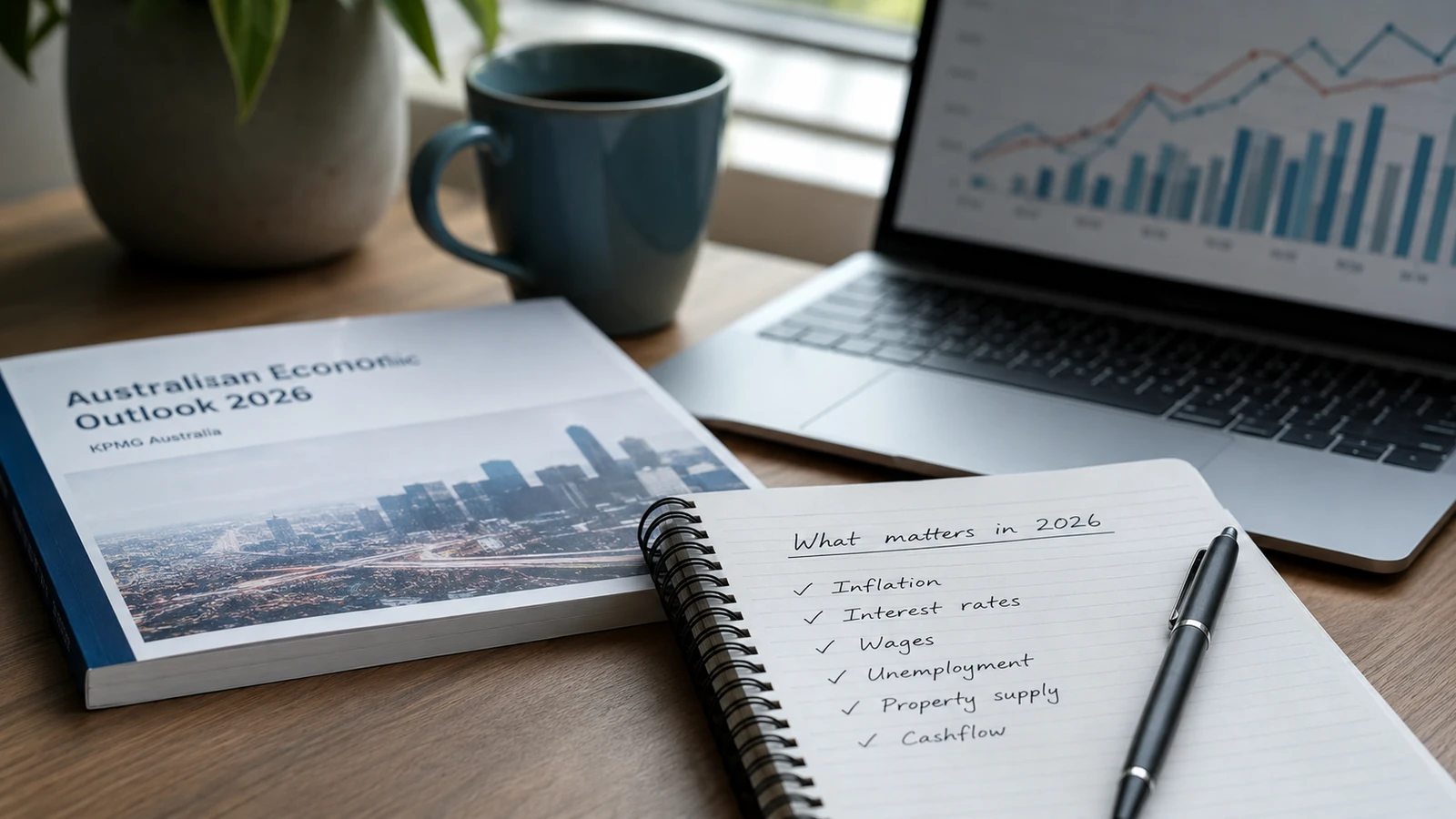
Should I Buy Property in 2026? Here’s What Matters

A practical, data-backed guide to timing, borrowing capacity, holding power and property risk in Australia’s 2026 market.

Should I Buy Property in 2026? Here’s What Matters
Australia’s Rent Shock Is Getting Worse. Is Negative Gearing Really to Blame?

Rents are climbing, property prices are softening and investors are pulling back. The Federal Budget is taking the blame, but the real cause of Australia’s rental squeeze is more complicated and more useful for buyers to understand.

Australia’s Rent Shock Is Getting Worse. Is Negative Gearing Really to Blame?
Cost of Living Australia 2026: You’re Earning More. So Why Do You Feel Poorer?

The Australian economy is still growing. Wages are still rising. Yet household budgets feel tighter, cash feels less useful and buying property feels harder. The explanation sits in the widening gap between the economy reported in the headlines and the economy Australians experience inside their bank accounts.

Cost of Living Australia 2026: You’re Earning More. So Why Do You Feel Poorer?
The Housing Signal Investors Are Getting Wrong in 2026

Most investors are watching rates, migration and headlines. Fair enough. But the cleaner signal may be hiding in plain sight: the gap between homes approved, homes funded and homes actually completed.

The Housing Signal Investors Are Getting Wrong in 2026
The Passive Income Trap: Why Commercial Property Can Make Investors Poorer on Paper

Commercial property sounds like the grown-up version of investing: stronger yields, cleaner leases and better cashflow. But for many Australians still building wealth, chasing passive income too early can quietly reduce the size of the portfolio they could have built.

The Passive Income Trap: Why Commercial Property Can Make Investors Poorer on Paper
Thank you for subscribing

Important stuff

Our mission is to change the way Australians buy their dream home by providing a faster and more innovative experience designed around the customer’s convenience

The Data provided in this publication is of a general nature and should not be construed as specific advice or relied upon in lieu of appropriate professional advice. While AbodeFinder uses commercially reasonable efforts to ensure the data is current,AbodeFinder does not warrant the accuracy, currency or completeness of the data and to the full extent permitted by law excludes all loss or damage howsoever arising (including through negligence) in connection with the data.

This is intended for informational purposes only and may not be reproduced or re-disseminated in any form and may not be used as a basis for or a component of any financial decisions.

AbodeFinder does not warrant the accuracy, currency or completeness of the prediction and to the full permitted by law, AbodeFinder excludes all liability for any loss or damage howsoever arising in connection with all data in AbodeFinder.

© . All rights reserved.