Every property conversation in Australia keeps circling back to the same question: will prices keep rising in 2026, and if they do, where will the real action be? After a few years of strong gains, especially in a handful of capital cities, plenty of people are wondering whether the next move is another leg up or the moment things finally cool off.
The latest round of forecasts is leaning towards another year of growth. Nationally, many analysts are expecting mid to high single digit gains, with some cities tipped for double digit price rises again. That is encouraging if you already own, confronting if you are still trying to get a foothold, and genuinely tricky if you are trying to grow a portfolio without overreaching.
Owners are feeling wealthier on paper, buyers feel like the goalposts keep shifting, and investors are trying to decide whether they are early in the cycle or quietly turning up late to the party. Add rising rents and ultra tight vacancy rates into the mix and it can feel like the whole market is moving faster than your ability to make sense of it.
This article pulls those pieces together. We will walk through what the major forecasts are saying, city by city, how rents and vacancy rates tie into the story, and how you can turn all of that into a clear, data backed plan. At AbodeFinder we work with the same numbers you see in the headlines, then translate them into practical suburb shortlists and deal level decisions that match your budget and strategy.
2026 at a glance, what the forecasters agree on
National prices – another year of growth, just not as wild
Across the major forecasts, there is a clear theme: national dwelling prices are expected to rise again in 2026, broadly in the 6 to 10 per cent range. The pace may cool a little from the “everything going up at once” phase, but on most numbers it still looks like another year where property owners see their net worth move higher rather than lower.
That is on top of what has already been a strong run since late 2020. Perth, Brisbane and Adelaide in particular have done a lot of the heavy lifting, with values in some pockets on track to roughly double over the course of this upswing. When you zoom out over a few years instead of a few months, the compounding becomes pretty stark.
If you bought back in 2020 or 2021, it is hard not to feel a bit like a genius, even if you simply bought a solid, middle of the road home. If you are still chipping away at a deposit while the charts climb higher, the same numbers can feel pretty brutal. And if you are holding a small portfolio, you might be torn between feeling grateful for the gains and nervous about stretching for the next deal.
Rents still climbing as vacancy stays painfully low
On the rental side, the pattern is similar. Most forecasters expect record or near-record rents in every capital again in 2026, backed by vacancy rates that are still well below what would usually be called a “balanced” market. In many suburbs, properties are being snapped up quickly and tenants are competing hard, which keeps upward pressure on weekly rents.
For investors, rents are not just a side note. Rising rental income helps support higher property values, at least up to the point where tenants simply cannot pay more. That tipping point is already showing up in some markets. Adelaide is a good example: the rental market is incredibly tight, but tenants have hit an affordability ceiling, so rents are struggling to move much higher even though demand is still there.
Hobart sits on the other side of the story. After a softer patch, rents are now jumping again as vacancy tightens and demand picks up. That combination of improving rents and earlier price stagnation is exactly the kind of pattern long-term investors keep an eye on, and we will come back to both cities as we work through the state by state outlook.
The stand-out growth stories: Perth, Brisbane and Darwin
These are the markets that keep popping up in investor chats, buyer briefings and forecasting reports. If you are building or reshaping a portfolio for 2026, Perth, Brisbane and Darwin are very hard to ignore.
Perth – second wind after a brief pause
Perth is still widely tipped to sit near the top of the growth tables in 2026, with many forecasts pointing to low to mid-teens price growth. The story is fairly simple: supply is tight, demand is strong and there is nothing on the horizon that looks like a quick fix.
Vacancy is sitting under 1 per cent in many parts of the city, which means very few homes are actually available to rent at any given time. Sales listings are also thin, so buyers are competing for a small pool of stock on both the owner occupier and investor side. That pressure is backed up by strong population growth, with people arriving from overseas and from other states in search of jobs, lifestyle and relatively affordable housing.
Layered on top of that is the economic backdrop. Resource and energy projects are lifting incomes and business confidence, and that money eventually finds its way into housing through upgraders, new buyers and investors looking to park cash in property rather than leave it sitting idle.
On a long term chart, Perth still looks “cheap” compared with some east coast capitals, even after years of growth. That is one of the reasons investors keep circling the city. On paper it feels like it has a bit more room to run before it looks fully priced in.
Brisbane – expensive by history, still running hard
Brisbane has quietly shifted from “the affordable capital” to one of the more expensive cities in the country, especially for houses. Even so, many forecasters still expect solid growth through 2026 rather than a flat line or sudden pullback.
Part of that comes down to the long build up to the 2032 Olympics, which is driving big-ticket infrastructure projects and helping underpin jobs and sentiment. On top of that, Brisbane continues to attract strong population inflows from New South Wales and Victoria. People move chasing cheaper housing and better weather, and while the “cheap” label does not fit as neatly as it once did, the lifestyle drawcard has not faded.
The rental market remains tight, with low vacancy and rising rents across much of the city. That combination helps support prices because buyers can justify higher repayments if the rent coming in is strong and likely to keep growing.
The big question is whether Brisbane can genuinely settle closer to Sydney price levels over time, or whether it is already stretched and relying on a very generous view of future growth. That is where data and suburb level analysis matter more than broad headlines, which we will come back to in the planning section.
Darwin – higher yields and a “lotto ticket” feel
Darwin has gone from being largely ignored to sitting firmly on many investors’ watchlists. It stands out for a few reasons that are hard to find elsewhere in one package.
First, rental yields are still high compared with other capitals, even after a strong run of price growth. For investors who care about cash flow, that makes Darwin immediately interesting. Second, vacancy is tight and rents are rising, which suggests the strength in yields is not just a short term quirk. There is genuine demand for housing that tenants are willing and able to pay for.
Behind that, you have a pipeline of energy and infrastructure projects feeding into local jobs and income. Engineering work and future export projects show up in the economic data and eventually in housing demand as workers move in and stay.
There are two sides to the story, though. On the upside, entry prices are still relatively low by capital city standards and the cash flow can look very attractive on a spreadsheet. On the risk side, Darwin is a smaller, more volatile market. Conditions can turn faster than in a big, diversified city, which means you need to be clear about your risk appetite and time frame before treating it like a sure thing.
Solid climbers – Adelaide, Hobart and the Gold Coast
Adelaide – ultra tight, but bumping into affordability limits
Adelaide is still one of the tightest rental markets in the country. Vacancy rates sit under 1 per cent in many suburbs and fresh supply is not arriving quickly enough to take the heat out of the system. On the ground, that looks like long queues at inspections and properties leasing within days.
The twist is that rents have started to stall, not because demand has faded, but because many tenants simply cannot stretch any further. Wages have not kept up with the jump in housing costs, so there is a practical ceiling on what people can pay each week.
Price growth in 2026 is still expected to be strong, backed by low stock and steady demand. The top of the forecast ranges, though, may be harder to reach as households bump up against their borrowing limits and the rental side of the equation runs out of room to move.
Hobart and regional Tasmania: early signs of a new cycle
Hobart was a star performer earlier in the cycle, then cooled off and drifted sideways while other capitals took the spotlight. That pause is exactly what has caught the eye of a lot of investors. The latest data points to stronger rent growth again, with listings easing back and vacancy tightening, which is usually the early stage of a new upswing.
The story does not stop at Hobart. Regional centres like Launceston and Devonport are attracting more attention from buyers who want decent yields on smaller budgets. Purchase prices are lower than in the big capitals, yet rents are holding up well, which can make the numbers work with far less borrowing.
For investors who feel priced out of Sydney, Melbourne or even Brisbane, parts of Tasmania can offer a way to stay in the game. You still need to be selective, but you are not forced to choose between tiny units or extreme leverage just to get a foothold.
Gold Coast: lifestyle, migration and infrastructure in one place
The Gold Coast has already booked double digit growth over the last few years and most forecasts still show gains through 2026, even if the pace cools a little. It sits at the crossroads of several powerful trends that all feed into housing demand.
Lifestyle is a huge drawcard, backed by strong population inflows from interstate and overseas. The Olympics are helping to drive new transport and precinct upgrades, which create jobs now and reshape parts of the city for the long term.
At the same time, there is a limited supply of well located homes under the one million dollar mark, and those properties are in demand from both investors and downsizers. That mix makes the Gold Coast one of the more interesting markets to watch, especially for buyers who want both growth potential and a place people genuinely want to live in.
Sydney and Melbourne – slower at the top, value under the surface
Sydney: pricey, but still pushing into record territory
Most forecasts have Sydney tracking along at mid single digit growth in 2026. On its own that does not sound dramatic, but it is growth from an already very high base. Some reports even suggest the median house price could brush $2 million by the end of 2026 if these trends hold.
Sydney’s core problem is simple. In many parts of the city, there is a chronic undersupply of well located homes. New projects take years to move from idea to completion, while population growth and household formation keep ticking along. Vacancy rates are very low, which tells you the pool of rental properties is not big enough either.
At the same time, wages and borrowing capacity put a ceiling on how far prices can stretch in any one burst. Buyers are being pushed hard by repayments, so even if demand is strong, only so many households can actually transact at each price point.
On the ground, a lot of buyers feel like they are chasing a moving train. The annual growth percentages look modest compared with Perth or Brisbane, but when you are talking about a million and a half dollar house, even a few per cent extra can add tens of thousands of dollars in a year.
Melbourne: long-term value play if you pick carefully
Melbourne’s forecast growth is more modest on most outlooks, yet it compares better than Sydney on global affordability measures and still attracts strong population growth. For many migrants and interstate movers, Melbourne’s mix of jobs, culture and relative pricing is still a compelling package.
You can see the difference in the skyline. Melbourne has a higher level of building and supply, with cranes scattered across the inner and middle rings. That extra supply has taken some of the heat out of prices and helped keep a lid on rents in certain pockets.
The result is a more fragmented market. Some high rise segments and oversupplied pockets may lag or even slip backwards, while well located houses and quality townhouses in established suburbs can easily outperform the headline city growth number.
For investors willing to think in 10 to 20 year time frames, Melbourne can make a lot of sense. The key is to be fussy about dwelling type and suburb, focus on areas with strong long term demand drivers, and avoid the parts of the market where there is a clear oversupply risk.
What could shift these 2026 property forecasts
There are a few big moving parts sitting behind every forecast. None of them are new, but small changes in any one of them can push prices and rents away from the base case.
Interest rates and credit rules
Most of the current outlooks assume interest rate cuts either arrive late in the year or are fairly limited, and that credit rules do not tighten much more from here. In other words, no one is baking in a repeat of the ultra-cheap money era, but they are also not planning for a sudden credit crunch.
If rates fall faster or further than expected, that would probably give an extra lift to rate-sensitive markets such as Sydney, Melbourne and Adelaide. These are cities where a lot of borrowers are already operating close to their limits, so even a small drop in repayments can make a noticeable difference to what people are prepared to pay.
If rates stay higher for longer, or if lending standards tighten again, the pain is likely to show up first where affordability is already stretched. That could mean softer than expected growth, or just fewer buyers able to compete, in some of the pricier pockets of Brisbane, Sydney and parts of regional lifestyle markets.
Migration, population and income growth
Most forecasts also lean on the idea that population growth stays strong, and in many states continues to run ahead of new housing completions. That gap is a big reason prices and rents have been so stubborn on the way up. More people needing homes than homes being built keeps pressure across both the purchase and rental markets.
If migration slows more than expected, or if income growth weakens, some of the hotter markets could cool sooner than the models suggest. That does not automatically mean price falls, but it can mean a softer rental story, longer days on market and less urgency from buyers who suddenly feel they have more choice.
Housing supply and construction costs
Underneath all of this is the basic mismatch between how fast new households form and how fast new homes are actually delivered. Projects that look good on paper often get held up by approvals, labour shortages or cost blowouts. Higher construction costs over the last few years have made some developments unviable, which has quietly shrunk future supply.
Reforms around zoning, approvals and infrastructure could help close that gap over the medium term, and there are encouraging signs in some states. No one expects a quick fix though. Even if every policy turned perfectly in favour of new housing tomorrow, it would still take years for that to show up as completed homes. In the meantime, investors and home buyers are working within a market where the supply side is slower to move than almost everything else.
Turning forecasts into an actual game plan
Forecasts are useful, but they do not make decisions for you. The real value comes from turning those big national numbers into a simple plan that fits your income, risk appetite and time frame. That looks different depending on where you are starting from.
If you already own property
If you already own, 2026 is a good year to stress test rather than just celebrate. Ask yourself what happens if prices grow slower than the forecasts, or if rates stay higher for longer than you would like. Run the numbers on your borrowing and cash flow under a few different scenarios so you can see where the pressure points might be.
From there, decide what the next sensible step is. For some people it will be paying down debt and building buffers. For others it might be adding another property while incomes and borrowing capacity still line up, or improving what you already own to lift rent and long term value. The point is to choose, not drift.
This is where tools like AbodeFinder are handy. You can plug in your current loans, likely rents and different growth assumptions to see how your position might look in a few years instead of guessing based on headlines.
If you are trying to buy your first place
If you are still saving your first deposit, the constant “record high” headlines can be exhausting. It can feel like every time you get ahead, prices have moved again. That frustration is real, and it is part of why so many first home buyers put things off for another year, then another.
The way through is to focus on entry points rather than city medians. Instead of fixating on what the average Sydney or Brisbane house costs, look for pockets where your budget has a genuine shot. Use rent and vacancy data to avoid areas where you are likely to sit deep in negative cash flow for years. A slightly less glamorous suburb with strong rental demand can leave you in a far stronger position than stretching for a postcode that looks better on Instagram.
AbodeFinder can help here by letting you compare suburbs by yield, growth history and price point on the same screen. You can see where your current borrowing capacity actually lines up with stock on the market, instead of wasting weekends on open homes that were never really in reach.
If you are growing a portfolio
If you are past your first or second property, it helps to think more like a small business owner than a casual investor. That means looking across the capitals to balance strong growth stories such as Perth and Brisbane with yield heavy options in places like Darwin or parts of regional Tasmania. You want a mix of assets that work together, not a random collection of postcodes.
Track how each potential purchase changes your overall loan to value ratio and cash flow, not just its projected growth. A deal that looks exciting in isolation can push your portfolio into a position where one surprise repair or vacancy suddenly feels very uncomfortable.
AbodeFinder is built for this kind of comparison. You can stress test different cities and suburbs side by side, adjust rent and rate assumptions, and see how your portfolio behaves before you commit. That way the 2026 forecasts become inputs into a plan, rather than the whole plan on their own.
What to actually track through 2026
Key numbers to watch, beyond the headlines
If you want to stay grounded while everyone else argues about boom or bust, a short checklist of numbers will serve you better than any headline. Here are the key ones to keep an eye on:
-
Vacancy rate in your target city or suburb
Low vacancy usually means tight competition for rentals and more support for prices. A rising vacancy rate can be an early sign that conditions are easing.
-
Asking rents and how they are shifting quarter to quarter
Watch for the direction, not just the level. Are rents still rising, flattening out, or slipping? That tells you a lot about demand and how stretched tenants are.
-
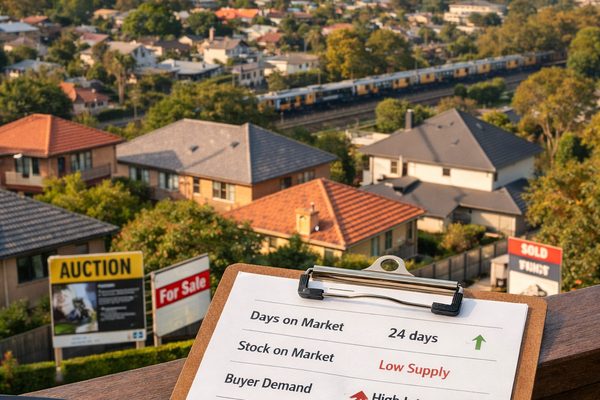
Listings volumes and days on market
More listings and longer selling times can point to a market cooling. Thin stock and fast sales suggest buyers are still outnumbering sellers.
-
Any changes to credit rules or lending standards
Tweaks from regulators and banks can impact how much you can borrow, even if the cash rate does not move. Keep an ear out for serviceability changes, buffer tweaks and policy shifts.
-
Local wages and job growth, especially in highly cyclical industries
Strong housing markets are usually backed by solid incomes. If job ads and pay packets are shrinking in a particular region or sector, that deserves attention before you buy.
You can absolutely track all of this by hopping between news sites and portals, but it gets tiring fast. Having these data points in one place inside a tool like AbodeFinder makes it much easier to spot patterns and sense check your next move before you sign a contract.
You cannot control the market, only your moves
When you strip away the noise, the message from most credible forecasts is pretty clear: 2026 looks more like “more growth” than “sudden crash”. The strongest expectations sit with Perth, Brisbane and Darwin, with solid gains also likely in parts of Adelaide, Hobart and the Gold Coast. Sydney and Melbourne look steadier rather than spectacular, but still drifting higher from already expensive levels.
That said, no report has a crystal ball. Elections, global shocks, policy changes and left-field events can all nudge the numbers off course. Ignoring the data completely is just guessing, but treating a forecast as a promise is just as risky. The sweet spot is using the information available, then testing how your plan holds up if things turn out a little better or a little worse than expected.
You cannot control the market, but you can control your next move. If you want to go beyond headlines and TikTok hot takes, you can run your own numbers with AbodeFinder, compare the suburbs you are actually considering, and map out a simple 5–10 year plan. The goal is not to predict every twist in 2026 perfectly, it is to build a property strategy that still works even if the forecasts are slightly off.